East Coast Railway records highest-ever scrap disposal revenue in 2025-26 fiscal
East Coast Railway has achieved a significant milestone in scrap disposal during the financial year 2025–26, recording its highest-ever revenue of Rs 290.22 crore.
The meeting was chaired by the Additional Divisional Railway Manager (Operations) of Khurda Road Division P K Behra.




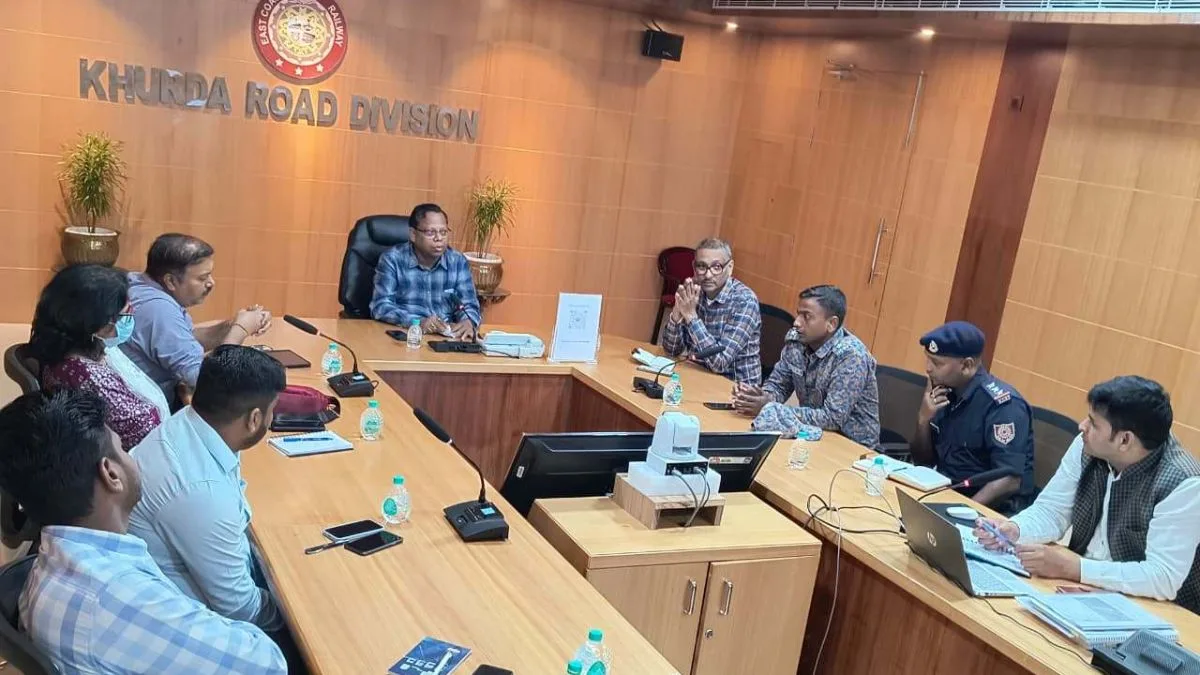
Photo: SNS
The Khurda Road Railway Division of the East Coast Railway on Monday conducted a disaster preparedness meeting to review readiness and coordination among various agencies in handling railway-related emergencies and natural disasters.
The meeting was chaired by the Additional Divisional Railway Manager (Operations) of Khurda Road Division P K Behra.
Advertisement
Representatives from the State Police, National Disaster Response Force (Mundali Unit), Odisha Disaster Rapid Action Force, Railway Police Force, Local Administration, State Fire Services, State Medical Team, and key Railway Departments connected with Safety and Disaster Management participated in the meeting.
Advertisement
The objective was to strengthen interagency coordination, ensure quick response, and streamline procedures for effective management of any untoward incidents in railway operations.
As part of the preparedness initiatives, a full-scale disaster management mock exercise is planned to be conducted in the near future. The proposed mock drill aims to test coordination among multiple rescue and response agencies, evaluate the functioning of disaster management equipment and communication systems, and train and familiarise staff for quick, efficient, and coordinated response during real-life emergencies.
The Quick Reaction Team (QRT), headed by ADRM (Operations) will supervise on-ground coordination during emergencies. The meeting also reviewed the Divisional Disaster Management Plan, focusing on rapid response, rescue and relief measures, coordination with state and district authorities, and effective communication, crowd control, and medical assistance during the “Golden Hour”.
In the meeting, recent railway accident experiences were analysed to improve coordination, upgrade technical readiness, and enhance joint response efficiency.
Advertisement